

Hit by a Delivery Driver: Who Pays When Amazon or a Courier Causes the Crash
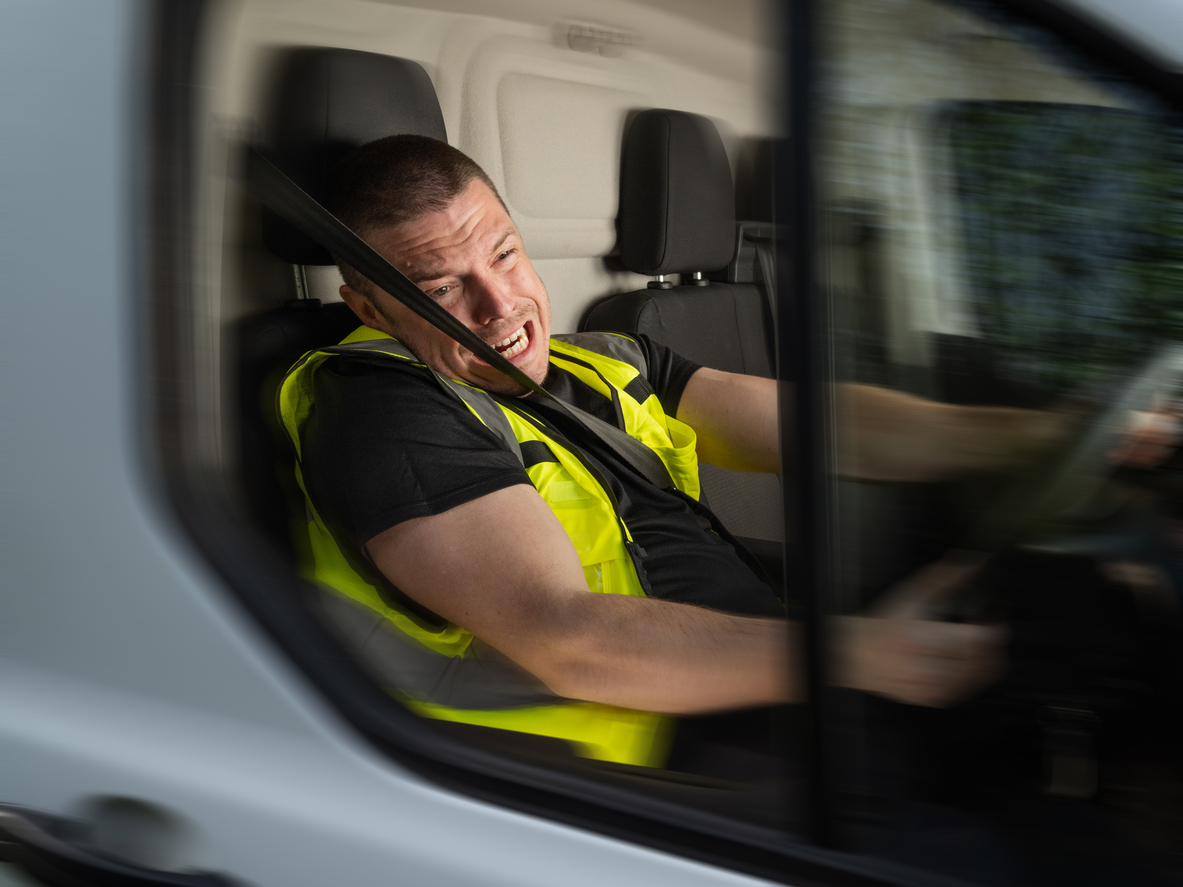
An Amazon delivery van pulls out in front of you. You hit the brakes, but you don’t have time to stop. Now you’re dealing with a damaged vehicle, painful injuries, and medical bills you weren’t expecting. Who pays when you’re hit by a delivery driver?
The driver may have been making deliveries for Amazon, FedEx, UPS, or a local courier company. But does that mean the company is responsible for the crash?
Not necessarily.
Delivery drivers work under different employment arrangements, and the company whose name appears on the vehicle isn’t always the driver’s employer. That distinction can affect who may be legally responsible and which insurance policy applies.
If a delivery driver caused your accident in Ohio, understanding those differences is an important first step toward recovering compensation.
Why Delivery Driver Accident Claims Can Get Complicated
When another driver causes a typical car accident, you generally begin by identifying the at-fault driver and their liability insurance.
Delivery vehicle accidents can involve additional parties.
The driver might be a direct employee of a shipping company, work for an independent delivery contractor, or make deliveries through an app using a personal vehicle.
Each arrangement can create different questions about employment, insurance coverage, and legal responsibility.
Amazon is a good example. Its Delivery Service Partner program uses independent businesses that hire and manage delivery drivers. A van may display Amazon branding even though the driver works for a separate company.
That doesn’t automatically make Amazon responsible for the driver’s negligence. It also doesn’t necessarily mean the delivery contractor is the only party that could face liability.
Determining responsibility requires examining the driver’s employment relationship, the circumstances of the crash, and the legal duties of the businesses involved.
Can You Sue the Delivery Company After an Accident?
Under Ohio law, employers can be held responsible for negligence committed by employees acting within the scope of their employment.
This legal principle is called respondeat superior.
For example, if a delivery company employee runs a red light while making an assigned delivery and injures another driver, the employer may be legally responsible for the employee’s negligence.
But what if the driver is classified as an independent contractor?
Ohio courts examine the actual working relationship, including the company’s right to control how the work is performed. Relevant factors may include who controls work schedules, supplies equipment, directs the work, and determines how the driver performs assigned duties.
The label in a contract isn’t necessarily the final answer.
However, companies generally aren’t automatically liable for every negligent act an independent contractor commits. Whether an exception or another basis for liability applies depends on the circumstances.
An attorney can investigate these relationships to determine which parties may be legally responsible for your injuries.
What Happens When an App-Based Delivery Driver Hits You?
App-based delivery services introduce another complication because drivers may use their personal vehicles to complete deliveries.
If you’re hit by someone delivering packages, groceries, or food through an app, insurance coverage may depend on the particular service and the driver’s activity when the crash occurred.
Some delivery platforms maintain insurance arrangements that provide coverage under specified circumstances. Others may have different requirements or limitations.
A driver’s personal auto policy may also exclude delivery or other business activities.
That’s why you shouldn’t assume a delivery platform automatically provides coverage whenever its app is running.
Investigating the driver’s activity at the time of the collision can help identify potentially applicable insurance policies.
Could Other Parties Be Responsible?
The driver and their employer aren’t necessarily the only parties worth investigating.
Depending on what caused the accident, responsibility could extend to another business or individual.
For example, a company responsible for vehicle maintenance might face liability if negligent repairs contributed to a crash. A defective vehicle component could raise product liability questions. An employer’s own conduct might also support a claim under certain circumstances.
Negligent hiring or retention may become relevant if evidence shows a company failed to exercise reasonable care in hiring or retaining a driver, and that failure contributed to the accident.
These claims require evidence. A driver’s previous traffic violation or a demanding delivery schedule doesn’t automatically establish that a company acted negligently.
The important question is whether another party’s conduct legally contributed to the collision and resulting injuries.
Evidence That Can Help Establish Responsibility
Delivery vehicles and dispatch operations may generate records that help explain what happened before a crash.
Depending on the vehicle and delivery operation, relevant evidence could include GPS information, dispatch records, delivery assignments, vehicle maintenance records, electronic communications, and available camera footage.
Some vehicles also have systems that record driving-related information.
These records may help establish where the driver was going, whether they were working, and what happened immediately before the collision.
However, not every delivery company collects the same information, and it may retain records for different periods.
An attorney can request preservation of relevant evidence before it is routinely deleted or becomes unavailable.
You should also preserve what you can collect yourself:
- Photographs of the vehicles, damage, roadway, and accident scene.
- The driver’s name, contact information, and available insurance details.
- The delivery company’s name and identifying vehicle information.
- Contact information for witnesses.
- The police report number.
- Medical records, treatment expenses, and documentation of missed work.
The more accurately you document the accident and its effects, the easier it may be to evaluate your claim.
What Compensation Can You Recover?
If another party’s negligence caused your injuries, you may be entitled to compensation for losses resulting from the accident.
Depending on the circumstances, those damages may include medical expenses, future treatment costs, lost income, diminished earning capacity, property damage, and pain and suffering.
Serious injuries may also create additional needs, such as ongoing rehabilitation, help with daily activities, or home modifications.
The amount you may recover depends on the evidence, the nature of your injuries, applicable law, and other factors.
Ohio also follows a modified comparative negligence rule. If you’re partly responsible for the accident, your share of fault may reduce your recovery. If your percentage of fault exceeds 50%, you generally cannot recover compensatory damages under that rule.
This is one reason the investigation matters. Determining fault isn’t always as simple as identifying which driver received a traffic citation.
Be Careful With Early Insurance Settlement Offers
After an accident, an insurance company may contact you before you know the full extent of your injuries.
You might receive a settlement offer while you’re still attending medical appointments, missing work, or waiting to learn whether you’ll need additional treatment.
Before accepting an offer, make sure you understand what losses it covers and whether signing a release would prevent you from pursuing additional compensation.
A settlement that seems reasonable right after a crash may not account for future medical expenses or ongoing limitations.
You can also speak with an attorney before providing a recorded statement to another party’s insurer. Be truthful in all communications, but understand that statements about how the accident happened or how you’re feeling may become relevant to your claim.
What Should You Do After a Delivery Vehicle Accident?
Your priority should be safety and medical attention.
Call 911 when you need emergency assistance, report the accident as appropriate, and seek medical evaluation for injuries. Some symptoms may not be immediately apparent, so don’t ignore pain or other changes following the collision.
If you can safely do so, document the scene and exchange information with the other driver.
Note the delivery vehicle’s identifying information. The name on the van, a company identification number, or other visible markings may help identify the business involved.
Avoid speculating about who employs the driver or which company must pay. Those questions may require additional investigation.
It’s also important to act before legal deadlines expire.
Under Ohio Revised Code Section 2305.10, most personal injury lawsuits arising from vehicle accidents must be filed within two years of the injury. However, exceptions and different rules can apply in particular circumstances.
Don’t wait until that deadline approaches to explore your options. Evidence can become harder to obtain as time passes.
Who Is Responsible for Your Injuries When Hit by a Delivery Driver?
Being hit by a delivery driver can leave you dealing with more than the usual questions after a car accident.
You may need to identify the driver’s actual employer, determine whether the driver was working at the time, examine multiple insurance policies, and investigate whether another company shares responsibility.
You shouldn’t have to sort through those questions while recovering from an injury.
Cleveland personal injury attorneys Bruce Taubman and Brian Taubman help injured Ohioans understand their legal options and pursue compensation when another party’s negligence causes harm.
If you’ve been injured in an accident involving an Amazon delivery van, courier, or other delivery vehicle, contact Taubman Law for a free case consultation. The firm can review the circumstances of your accident, discuss who may be responsible, and help you understand the next steps.


