
Ohio Motorcycle Accidents: What Riders Need to Know
Spring’s finally here in Northeast Ohio. Bikes are coming out of storage all over Cuyahoga, Lorain, and Medina counties. But before you fire up your ride for the season, you need to understand how Ohio treats motorcycle accidents differently from car crashes. Get this wrong, and you could lose everything.
Ohio Doesn’t Require Motorcycle Insurance
Here’s something most riders don’t realize. Ohio doesn’t require motorcycle insurance, but carrying coverage is crucial to help riders feel protected and confident in case of an accident.
Sounds great until you realize how personal liability can impact you. Knowing you’re protected with insurance can give you peace of mind if you cause $50,000 in injuries or a pileup on I-90.
Smart riders carry insurance anyway, especially uninsured motorist coverage. About 13% of Ohio drivers have no insurance. When one of them hits you, your injuries could be catastrophic, but there’s no insurance to pay for treatment. Your own uninsured coverage becomes your only option.
Helmet Laws Create Liability Problems
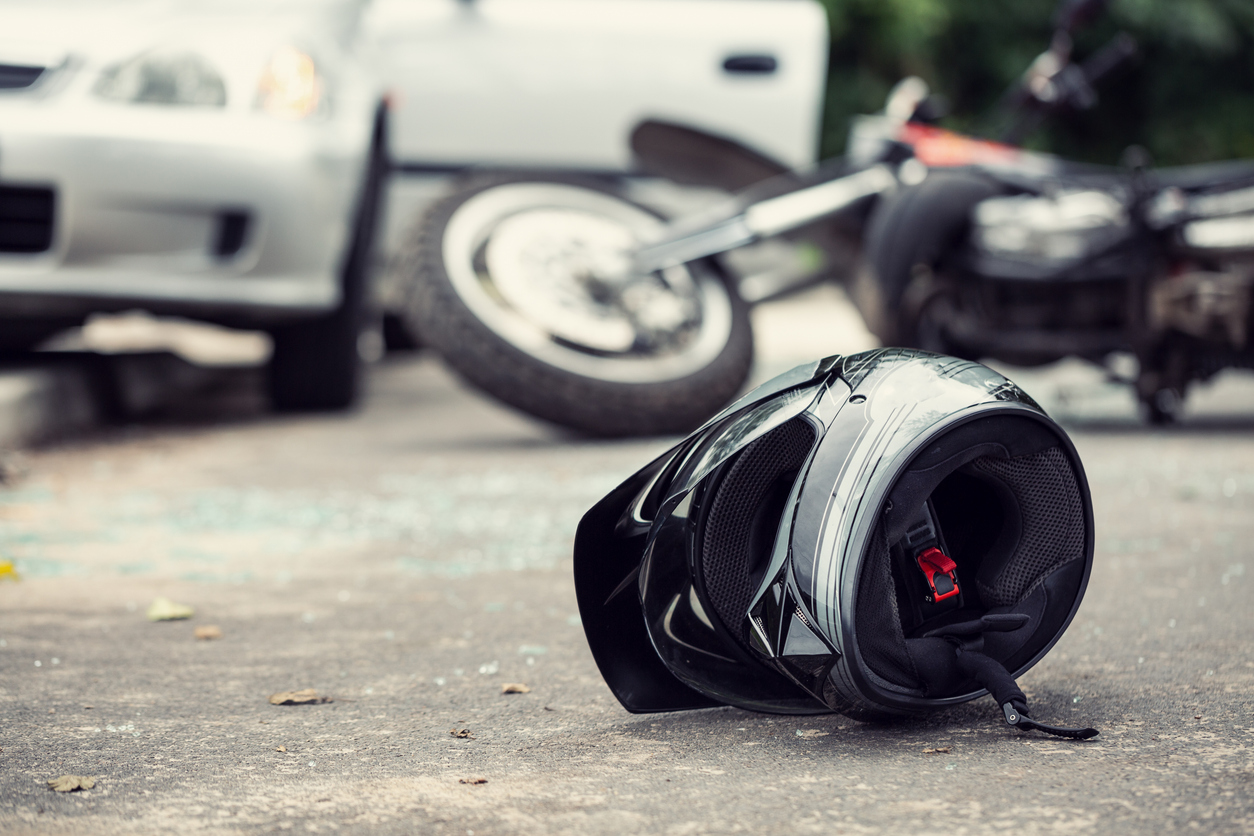
Ohio’s helmet laws for riders under 18 and permit holders can affect liability, especially when crashes occur, and helmet use is questioned.
Insurance companies love arguing that you caused your own injuries by not wearing a helmet. Ohio uses modified comparative negligence, which means if you’re more than 50% at fault, you get nothing. Even 20% fault cuts your compensation by 20%.
Defense lawyers will claim your head injury wouldn’t have happened with a helmet. They bring in medical experts. Juries eat it up. Your compensation drops even though another driver caused the crash.
The CDC says helmets reduce death risk by 37% and head injury risk by 69%. Ohio law makes them optional, but that doesn’t mean skipping one is smart for your health or your wallet.
Lane Splitting Is Illegal and Kills Your Claim
Don’t lane split in Ohio. It’s illegal whether traffic is stopped or moving. Riders from California get caught doing this all the time.
Get ticketed for lane splitting,g and you’ll pay a fine. Get into an accident while lane-splitting, and you’re automatically at fault. Doesn’t matter if the other driver was texting, didn’t signal, or violated every traffic law on the books. Your illegal lane split becomes the cause.
The same goes for speeding, running lights, or any other traffic violation. Break the law and get hit? Your violation becomes evidence against you.
Juries Don’t Like Motorcycle Riders
Here’s an uncomfortable truth that may make you feel more aware of your vulnerability. Juries often assume motorcyclists are reckless, which can influence your case and make understanding this bias crucial for your peace of mind.
Defense attorneys exploit this bias hard. They’ll point out that you weren’t wearing high-vis gear. They’ll question why you were riding at dusk. They’ll claim your aftermarket exhaust proves you’re aggressive. None of this is fair, but it happens in every motorcycle injury case.
Fighting this bias requires real expertise. You need accident reconstruction experts, motorcycle safety specialists, and medical professionals who understand bike crashes. This isn’t something you handle with a general practice lawyer who’s never dealt with a serious motorcycle accident, so knowing you have specialized help can give you peace of mind.
Left-Turn Crashes Happen Constantly
The most common motorcycle accident in Ohio goes like this: you’re riding straight through an intersection, and an oncoming car turns left directly into your path. The driver says they never saw you. “You came out of nowhere.”
Ohio law is clear that left-turning vehicles must yield. But insurance companies don’t care. They’ll argue you were speeding, hiding in a blind spot, or riding a dark bike that blended into the background—anything to shift fault onto you.
Proving fault in left-turn crashes requires strong evidence like witness statements, traffic camera footage, and sight-line studies, making thorough documentation essential.
What to Do After a Crash
The minutes after an accident are critical. Calling 911 immediately and gathering police reports and medical documentation can help you feel more in control and prepared for what comes next.
Photograph everything before anything moves-bike position, damage, road conditions, skid marks, sight lines-to ensure you have strong evidence, which is crucial for legal and insurance claims.
Get witness names and numbers. They disappear fast.
See a doctor even if you feel fine. Adrenaline hides injuries. Internal bleeding, brain trauma, and soft tissue damage don’t show symptoms right away.
Avoid talking to insurance companies without a lawyer. Be cautious about what you say, as statements like ‘I’m fine’ or ‘I didn’t see them’ can be used against you, so understanding your rights is essential to prevent unintentional admissions of fault.
Don’t take quick settlement offers. Insurance companies want to close claims before you know how bad your injuries are. Once you sign, you can’t come back for more when medical bills pile up.
Why You Need a Motorcycle Accident Attorney
Car accident lawyers aren’t enough for bike crashes. The physics are different. The injuries are worse. The jury bias is stronger. The evidence collection is more technical.
Lawyers who handle motorcycle cases know how to fight anti-rider bias. They know which experts to hire. They understand two-wheeled vehicle dynamics. They can talk credibly about riding in ways that connect with juries.
Ohio’s riding season is too short to waste on dealing with legal problems. Know the laws. Ride defensively. Wear gear even when it’s optional. And if something goes wrong, get someone who understands that motorcycle cases aren’t just car accidents on two wheels.
Attorneys Bruce Taubman and Brian Taubman have recovered millions for injured Ohioans. They know how insurance companies operate and what it takes to win your case.
Contact us today for a free consultation to discuss your motorcycle accident and learn about your rights under Ohio law. You can also explore more information on our personal injury blog.